
Mastery of Results training and consulting solutions. Gold waves and Kuala Lumpur skyline.
More Information

Month: July 2025

  • The Future of Fertilizer Manufacturing: Integrating Sustainability and Digital Innovation

    The Future of Fertilizer Manufacturing: Integrating Sustainability and Digital Innovation

    The chemical and process industries are undergoing a profound transformation, driven by the relentless march of technological innovation. The advent of Industry 4.0, characterized by the convergence of digital technologies with industrial operations, is reshaping every facet of manufacturing, from plant design and production processes to supply chain management and customer interaction. While these advancements promise unprecedented levels of efficiency, productivity, and safety, they also present a significant challenge: a rapidly widening skills gap. The traditional skill sets that have long underpinned the chemical industry are no longer sufficient for navigating this new landscape. To fully leverage the potential of Industry 4.0, companies must strategically invest in workforce development, bridging this gap by upskilling and reskilling their employees to thrive in an increasingly digitized and automated environment.

    The Impact of Industry 4.0 on Chemical Manufacturing

    Industry 4.0 is not a single technology but a confluence of interconnected innovations that are fundamentally altering how chemical plants operate. Key technologies driving this revolution include:

    • Internet of Things (IoT): Sensors embedded throughout the plant collect real-time data on equipment performance, process parameters, and environmental conditions. This pervasive connectivity enables continuous monitoring and provides a granular view of operations, moving beyond periodic checks to constant vigilance.
    • Artificial Intelligence (AI) and Machine Learning (ML): AI algorithms analyze the vast datasets generated by IoT devices to identify patterns, predict anomalies, and optimize processes. ML models can learn from operational data to improve predictive maintenance, enhance quality control, and even forecast market demand with greater accuracy.
    • Big Data Analytics: The sheer volume, velocity, and variety of data generated in an Industry 4.0 environment necessitate advanced analytical capabilities. Big data tools allow for the extraction of actionable insights from complex datasets, enabling data-driven decision-making across all levels of the organization.
    • Automation and Robotics: While automation has long been present in chemical manufacturing, Industry 4.0 brings a new level of sophistication. Collaborative robots (cobots) work alongside human operators, performing repetitive or hazardous tasks. Advanced automation systems, often integrated with AI, can manage complex chemical reactions and entire production lines with minimal human intervention, leading to increased precision, consistency, and safety.
    • Cybersecurity: As plants become more interconnected and reliant on digital systems, cybersecurity becomes paramount. Protecting operational technology (OT) networks from cyber threats is crucial to prevent disruptions, safeguard intellectual property, and ensure the integrity of critical infrastructure.

    These technologies are transforming traditional plant operations. For instance, predictive maintenance, powered by AI and IoT, replaces scheduled maintenance with condition-based interventions, significantly reducing downtime and maintenance costs. Digital twins, virtual replicas of physical assets, allow for simulation and optimization of processes in a risk-free environment. The integration of these systems leads to smarter, more autonomous plants that can adapt quickly to changing conditions, optimize resource utilization, and achieve higher levels of operational efficiency and safety. The shift is from reactive problem-solving to proactive optimization, demanding a workforce capable of interacting with and managing these intelligent systems.

    Identifying the New Skill Sets Required

    The transition to Industry 4.0 in the chemical industry necessitates a fundamental shift in the required skill sets for the workforce. The emphasis moves from purely manual or mechanical tasks to roles that demand a blend of technical proficiency in digital tools and enhanced cognitive abilities. The new skill sets can be broadly categorized into technical and soft skills:

    Technical Skills:

    • Data Analytics and Interpretation: Employees, from operators to managers, need to understand how to collect, analyze, and interpret large datasets generated by IoT sensors and other digital systems. This includes proficiency in data visualization tools, statistical analysis, and understanding the implications of data for process optimization and decision-making.
    • AI/ML Proficiency: While not every employee needs to be an AI developer, a foundational understanding of how AI and machine learning models work, their capabilities, and their limitations is becoming increasingly important. This includes knowing how to interact with AI-powered systems, interpret their outputs, and troubleshoot basic issues.
    • Cybersecurity Awareness: With increased connectivity comes increased vulnerability. All employees must have a strong awareness of cybersecurity best practices, understanding potential threats, and knowing how to protect sensitive data and operational systems from cyberattacks. Specialized roles will require in-depth knowledge of industrial control system (ICS) security.
    • Advanced Process Control (APC) and Automation Programming: Engineers and technicians will need skills in designing, implementing, and maintaining advanced control strategies. This includes understanding complex control algorithms, programming PLCs (Programmable Logic Controllers) and DCS (Distributed Control Systems), and integrating different automation platforms.
    • Digital Twin and Simulation Expertise: As digital twins become more prevalent, employees will need to be proficient in using these virtual models for process simulation, scenario planning, predictive maintenance, and operator training.

    Soft Skills:

    • Problem-Solving and Critical Thinking: In an automated environment, human intervention often occurs when complex problems arise that AI cannot solve. Employees need enhanced critical thinking skills to diagnose issues, analyze root causes, and develop innovative solutions.
    • Adaptability and Continuous Learning: The rapid pace of technological change means that skill sets will constantly evolve. Employees must possess a strong willingness to learn new technologies and adapt to changing work processes. A mindset of lifelong learning is crucial.
    • Collaboration and Interdisciplinary Communication: Industry 4.0 breaks down traditional silos. Engineers, IT specialists, data scientists, and operators must collaborate seamlessly. Effective communication across different technical disciplines is essential for successful implementation and operation of integrated systems.
    • Decision-Making under Uncertainty: With more data available, the challenge shifts from data scarcity to data overload. Employees need to develop skills in making informed decisions based on complex data, often in dynamic and uncertain environments.
    • Digital Literacy and Human-Machine Interaction: A general comfort and proficiency with digital tools, interfaces, and human-machine interaction principles are fundamental for all roles. This includes understanding how to effectively interact with smart systems and interpret their feedback.

    The shift is clear: roles are evolving from purely manual operations to those focused on monitoring, managing, and optimizing complex automated and intelligent systems. This requires a workforce that is not only technically competent but also possesses strong analytical, adaptive, and collaborative capabilities.

    Challenges in Workforce Transition

    The transition to an Industry 4.0-ready workforce in the chemical industry is not without its significant hurdles. One of the primary challenges is resistance to change. Employees accustomed to traditional ways of working may be hesitant to embrace new technologies and processes, fearing job displacement or the need to learn complex new skills. This resistance can manifest as reluctance to participate in training programs or a general skepticism towards digital transformation initiatives. Effective change management strategies, including clear communication about the benefits of new technologies and how they will enhance rather than replace human roles, are crucial to overcome this.

    Another major challenge is the lack of awareness and understanding among both management and employees regarding the specific skills required for the future. Without a clear roadmap of what competencies are needed, training efforts can be misdirected or insufficient. This often stems from a disconnect between strategic digital transformation goals and the practical implications for day-to-day operations and individual job roles. Companies need to conduct thorough skills gap analyses to identify precise areas for development.

    Furthermore, insufficient training infrastructure and resources can impede progress. Many organizations may lack the internal expertise, facilities, or budget to develop and deliver comprehensive training programs that address the complex technical and soft skills required for Industry 4.0. This often necessitates reliance on external training providers, which requires careful selection and integration into the company’s overall talent development strategy. The cost and time investment associated with large-scale upskilling and reskilling initiatives can also be a deterrent for some companies.

    Finally, attracting and retaining talent with the new, highly specialized skill sets is a significant challenge in a competitive global market. Graduates from traditional engineering and chemistry programs may not possess the necessary digital competencies, while IT and data science professionals may lack industry-specific knowledge. Companies must develop compelling value propositions, including opportunities for continuous learning and career growth, to attract and retain these critical new talents. The challenge is not just about training existing employees but also about building a pipeline of future talent equipped for the demands of the digital chemical plant.

    Strategies for Effective Workforce Development

    Addressing the skills gap and preparing the workforce for Industry 4.0 requires a multi-pronged, strategic approach. Effective workforce development initiatives should encompass the following:

    Upskilling and Reskilling Programs

    For existing employees, tailored upskilling and reskilling programs are paramount. Upskilling focuses on enhancing current skills to meet new demands within the same role, while reskilling involves training employees for entirely new roles that emerge with technological advancements. These programs should be designed with clear learning objectives, incorporating a blend of theoretical knowledge and practical application. Modular courses, online learning platforms, and certifications can provide flexible learning pathways. For instance, a plant operator might be upskilled in data interpretation and basic AI diagnostics, while a maintenance technician could be reskilled in robotics programming or cybersecurity fundamentals.

    Partnerships with Academia and Training Providers

    Companies should actively forge partnerships with universities, technical colleges, and specialized training providers. These collaborations can help develop curricula that are directly relevant to industry needs, ensuring that both new graduates and existing professionals are equipped with the most current knowledge and skills. Joint research projects, internships, and apprenticeship programs can also facilitate knowledge transfer and provide practical experience. External training providers often possess the specialized expertise and infrastructure to deliver high-quality training in niche areas like advanced analytics, industrial cybersecurity, or digital twin operation.

    Experiential Learning

    Learning by doing is particularly effective for complex technical skills. Experiential learning approaches, such as simulations, virtual reality (VR), augmented reality (AR), and digital twins, offer safe and immersive environments for employees to practice new skills without disrupting actual plant operations. For example, operators can train on a digital twin of a new control system before it’s implemented, or maintenance teams can use AR overlays to guide them through complex repair procedures. Hands-on workshops and project-based learning also reinforce theoretical knowledge and build practical competence.

    Fostering a Continuous Learning Culture

    Beyond formal training programs, cultivating a culture of continuous learning is essential. This involves encouraging employees to take ownership of their professional development, providing access to learning resources, and recognizing and rewarding efforts in skill acquisition. Management should lead by example, demonstrating a commitment to lifelong learning. Creating internal communities of practice, mentorship programs, and knowledge-sharing platforms can also foster an environment where learning is an ongoing, collaborative process, ensuring that the workforce remains agile and adaptable to future technological shifts.

  • The Future of Fertilizer Manufacturing: Integrating Sustainability and Digital Innovation

    The Future of Fertilizer Manufacturing: Integrating Sustainability and Digital Innovation

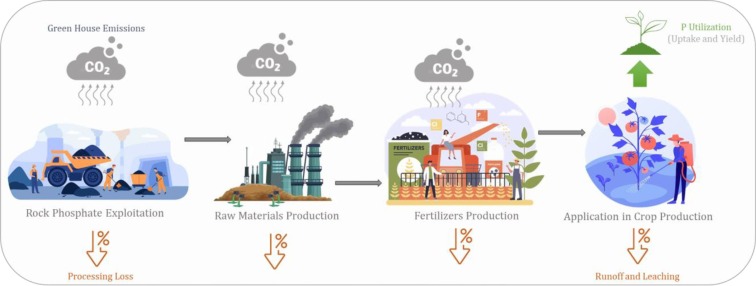
    The global fertilizer industry stands at a critical juncture in its evolution. As the world grapples with the dual challenge of feeding a rapidly growing population while simultaneously addressing urgent environmental concerns, fertilizer manufacturers find themselves at the epicenter of this complex equation. The industry, which has long been characterized by energy-intensive processes and significant environmental footprints, is undergoing a profound transformation driven by the imperative to achieve sustainability without compromising productivity. This transformation is not merely a response to regulatory pressures or market demands; it represents a fundamental reimagining of how fertilizers are produced, distributed, and utilized in modern agriculture. The integration of sustainable practices with cutting-edge digital innovation is emerging as the definitive pathway toward a future where fertilizer manufacturing can meet global food security needs while operating within planetary boundaries.


    The Imperative for Sustainability in Fertilizer Production

    Historically, the focus of fertilizer production has been on maximizing output and efficiency, often with less emphasis on environmental consequences. Traditional methods, particularly the Haber-Bosch process for ammonia synthesis, are highly energy-intensive, relying heavily on fossil fuels and contributing significantly to greenhouse gas emissions. Beyond energy consumption, the industry faces challenges related to water usage, the generation of wastewater containing pollutants, and the management of solid waste and by-products. These environmental impacts have drawn increasing scrutiny from regulatory bodies, environmental organizations, and a public that is becoming more aware of the ecological footprint of industrial activities.

    Regulatory pressures are mounting globally, pushing industries towards cleaner production methods and stricter emission standards. Consumers, too, are increasingly demanding products that are produced sustainably, influencing market dynamics and creating a competitive advantage for companies that can demonstrate strong environmental stewardship. In response, the fertilizer industry is actively exploring and adopting principles of the circular economy, aiming to minimize waste and maximize resource utilization. This includes initiatives such as recovering nutrients from waste streams, utilizing industrial by-products as raw materials, and developing fertilizers that reduce nutrient losses to the environment. The shift towards sustainability is no longer optional; it is a fundamental requirement for long-term viability and social license to operate.

    Advanced Technologies for Sustainable Production

    The pursuit of sustainability in fertilizer manufacturing is driving the adoption of several advanced technologies:

    Green Ammonia

    Green ammonia represents one of the most significant leaps towards decarbonizing fertilizer production. Unlike conventional ammonia, which relies on fossil fuels for hydrogen production, green ammonia is produced using hydrogen derived from water electrolysis, powered entirely by renewable energy sources such as solar, wind, or hydropower. This process virtually eliminates the carbon emissions associated with hydrogen generation. While the technology is still maturing and faces challenges related to cost-effectiveness and scalability, numerous pilot projects and large-scale initiatives are underway globally. The economic viability of green ammonia is improving as renewable energy costs decrease and carbon pricing mechanisms become more prevalent. Companies investing in green ammonia production are not only reducing their environmental footprint but also positioning themselves for a future where carbon-intensive products may face higher taxes or market disadvantages.

    Enhanced Efficiency Urea

    Traditional urea fertilizers can be prone to nutrient losses through volatilization, leaching, and denitrification, leading to economic inefficiencies and environmental pollution. Enhanced efficiency urea (EEU) products, such as slow-release and controlled-release fertilizers, are designed to mitigate these losses. Slow-release fertilizers typically involve coatings or chemical modifications that delay the release of nitrogen, making it available to plants over a longer period. Controlled-release fertilizers use more sophisticated polymer coatings that regulate nutrient release based on environmental factors like temperature and moisture. These technologies improve nutrient use efficiency, meaning crops absorb a higher percentage of the applied nitrogen, leading to better yields with less fertilizer. This not only reduces the amount of fertilizer needed, thereby lowering production and transportation demands, but also significantly minimizes the environmental impact by reducing nitrogen runoff into waterways and greenhouse gas emissions.

    Carbon Capture and Utilization (CCU)

    For existing conventional fertilizer plants, carbon capture and utilization (CCU) technologies offer a pathway to reduce emissions. Ammonia and urea production processes generate significant amounts of carbon dioxide. CCU involves capturing this CO2 from flue gases and either storing it (Carbon Capture and Storage – CCS) or, more innovatively, utilizing it as a feedstock for other valuable products. In the context of urea production, CO2 is already a raw material, but excess CO2 can be captured and used in other industrial processes, such as the production of methanol, polymers, or even for enhanced oil recovery. While CCU technologies face economic and technical hurdles, ongoing research and development are making them increasingly viable, offering a crucial tool for existing plants to reduce their carbon footprint and contribute to a circular carbon economy.

    Digital Transformation: Industry 4.0 in Action

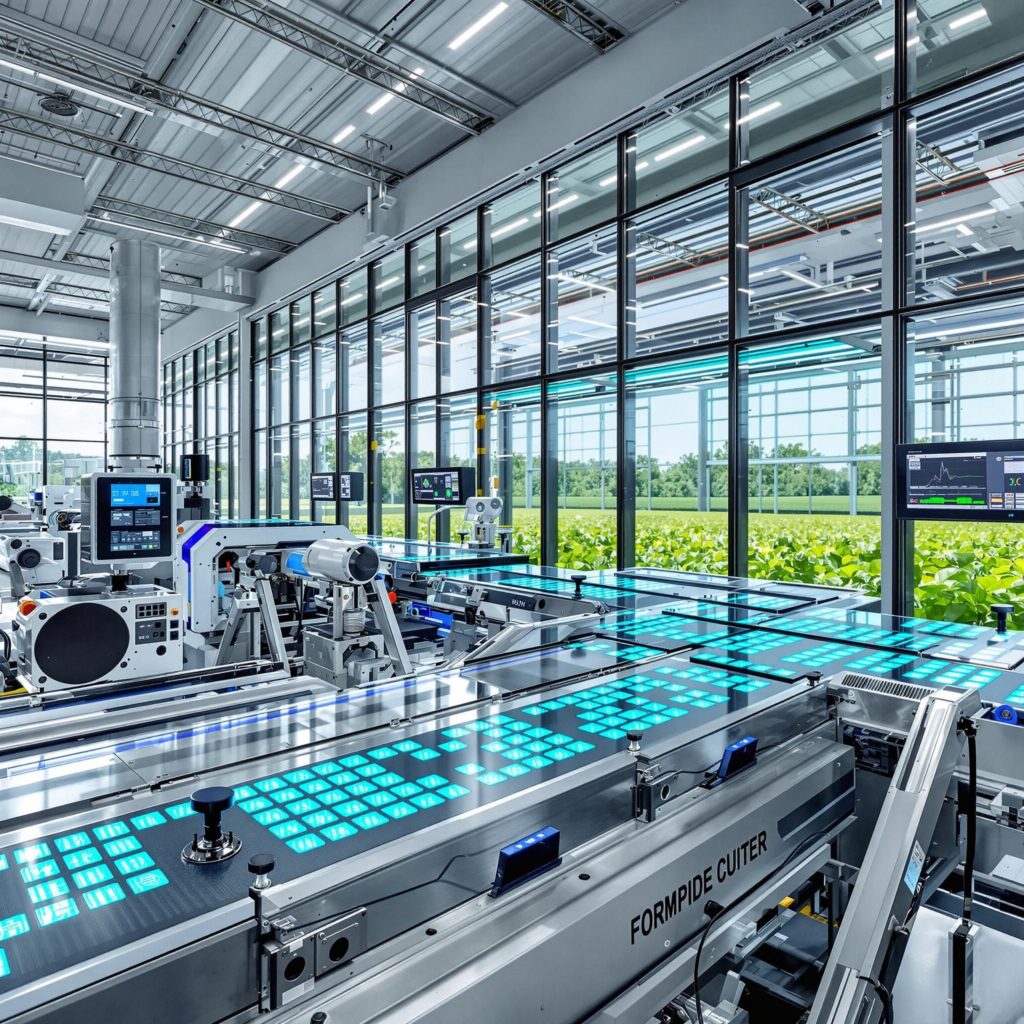
    The fourth industrial revolution, or Industry 4.0, is profoundly reshaping manufacturing sectors worldwide, and the fertilizer industry is no exception. This paradigm shift is characterized by the integration of digital technologies into physical production processes, creating intelligent, interconnected systems that can communicate, analyze, and act upon data in real-time. For fertilizer manufacturing, this translates into unprecedented opportunities for optimizing operations, enhancing efficiency, improving safety, and fostering innovation.

    IoT and Sensors

    At the foundational level of Industry 4.0 lies the Internet of Things (IoT), a network of physical objects embedded with sensors, software, and other technologies for the purpose of connecting and exchanging data with other devices and systems over the internet. In a fertilizer plant, IoT sensors can be deployed across every stage of the production process – from raw material intake to final product packaging. These sensors collect vast amounts of data on critical parameters such as temperature, pressure, flow rates, vibration, and chemical composition. This real-time data provides operators and managers with an immediate and comprehensive overview of plant performance, enabling proactive monitoring and rapid identification of anomalies. For instance, sensors on rotating machinery can detect subtle changes in vibration patterns, signaling potential equipment failure long before it occurs, thus facilitating predictive maintenance and minimizing unscheduled downtime.

    AI and Machine Learning

    The true power of IoT data is unlocked through Artificial Intelligence (AI) and Machine Learning (ML). AI algorithms can analyze the massive datasets generated by IoT sensors to identify complex patterns, predict outcomes, and provide actionable insights that human operators might miss. In fertilizer manufacturing, AI can be used for advanced process optimization, continuously adjusting parameters to maximize yield, minimize energy consumption, and ensure consistent product quality. ML models can learn from historical operational data to predict equipment failures, optimize maintenance schedules, and even forecast demand more accurately, leading to better inventory management and reduced waste. AI-powered vision systems can monitor product quality on conveyor belts, identifying and rejecting off-spec materials in real-time, further enhancing efficiency and reducing rework.

    Digital Twins

    A digital twin is a virtual replica of a physical asset, process, or system. In the context of a fertilizer plant, a digital twin can be a comprehensive virtual model of the entire production facility, including all its machinery, processes, and even environmental conditions. This digital twin is continuously updated with real-time data from IoT sensors, allowing it to accurately mirror the physical plant’s current state and behavior. Engineers and operators can use the digital twin to run simulations, test different operational scenarios, and predict the impact of changes before implementing them in the physical plant. This capability is invaluable for process optimization, troubleshooting, and training new personnel in a safe, virtual environment. Digital twins can also be used for predictive maintenance, simulating the wear and tear on equipment to anticipate maintenance needs and extend asset lifespan.

    Automation and Robotics

    Automation and robotics are integral components of Industry 4.0, enhancing safety, efficiency, and precision in fertilizer manufacturing. Automated systems can handle repetitive, hazardous, or physically demanding tasks, reducing the risk of human error and improving workplace safety. For example, robotic arms can be used for precise material handling, packaging, and palletizing, while automated guided vehicles (AGVs) can transport materials within the plant. Advanced process control systems, often integrated with AI, can automate complex chemical reactions, ensuring optimal conditions are maintained with minimal human intervention. This not only increases throughput and consistency but also frees up human operators to focus on higher-value tasks such as strategic planning, problem-solving, and continuous improvement initiatives. The synergy between automation and intelligent systems leads to a more resilient, efficient, and safer manufacturing environment.

    Challenges and Opportunities

    The journey towards a sustainable and digitally integrated fertilizer manufacturing future is not without its challenges. Significant investment is required for adopting new technologies, upgrading existing infrastructure, and implementing complex digital systems. Technological hurdles, such as ensuring interoperability between different systems and managing vast amounts of data, also need to be overcome. Perhaps the most critical challenge lies in workforce development. The shift to Industry 4.0 demands new skill sets, moving from traditional operational roles to those requiring data analytics, AI proficiency, cybersecurity awareness, and advanced process control knowledge. Upskilling and reskilling the existing workforce, and attracting new talent with these specialized capabilities, are paramount.

    However, these challenges are dwarled by the immense opportunities. Companies that successfully integrate sustainability and digital innovation stand to gain significant competitive advantages. This includes reduced operational costs through enhanced efficiency and predictive maintenance, improved product quality, and a stronger brand reputation among environmentally conscious consumers and regulators. Furthermore, embracing sustainable practices can open new market opportunities, particularly in regions with stringent environmental policies or a high demand for green products. The ability to leverage data for informed decision-making leads to greater agility and responsiveness to market changes, ensuring long-term resilience and profitability in a rapidly evolving global landscape.

    Conclusion

    The future of fertilizer manufacturing is undeniably intertwined with the twin pillars of sustainability and digital innovation. Meeting the escalating global demand for food while simultaneously mitigating environmental impact requires a concerted effort to adopt cleaner production technologies and embrace the transformative power of Industry 4.0. From green ammonia and enhanced efficiency urea to the pervasive integration of IoT, AI, and digital twins, these advancements are not merely incremental improvements but fundamental shifts that redefine the industry.

    For companies like OMIFCO, which are already committed to operational excellence and environmental responsibility, embracing this future is a strategic imperative. It promises not only a pathway to greater efficiency and profitability but also a stronger contribution to global food security and environmental stewardship. Investing in these technologies and, crucially, in the workforce development necessary to harness their full potential, will be key to unlocking a sustainable, digitally empowered, and prosperous future for fertilizer manufacturing.

  • Optimizing the Flow: Strategic Supply Chain Management for the Fertilizer Industry

    Optimizing the Flow: Strategic Supply Chain Management for the Fertilizer Industry

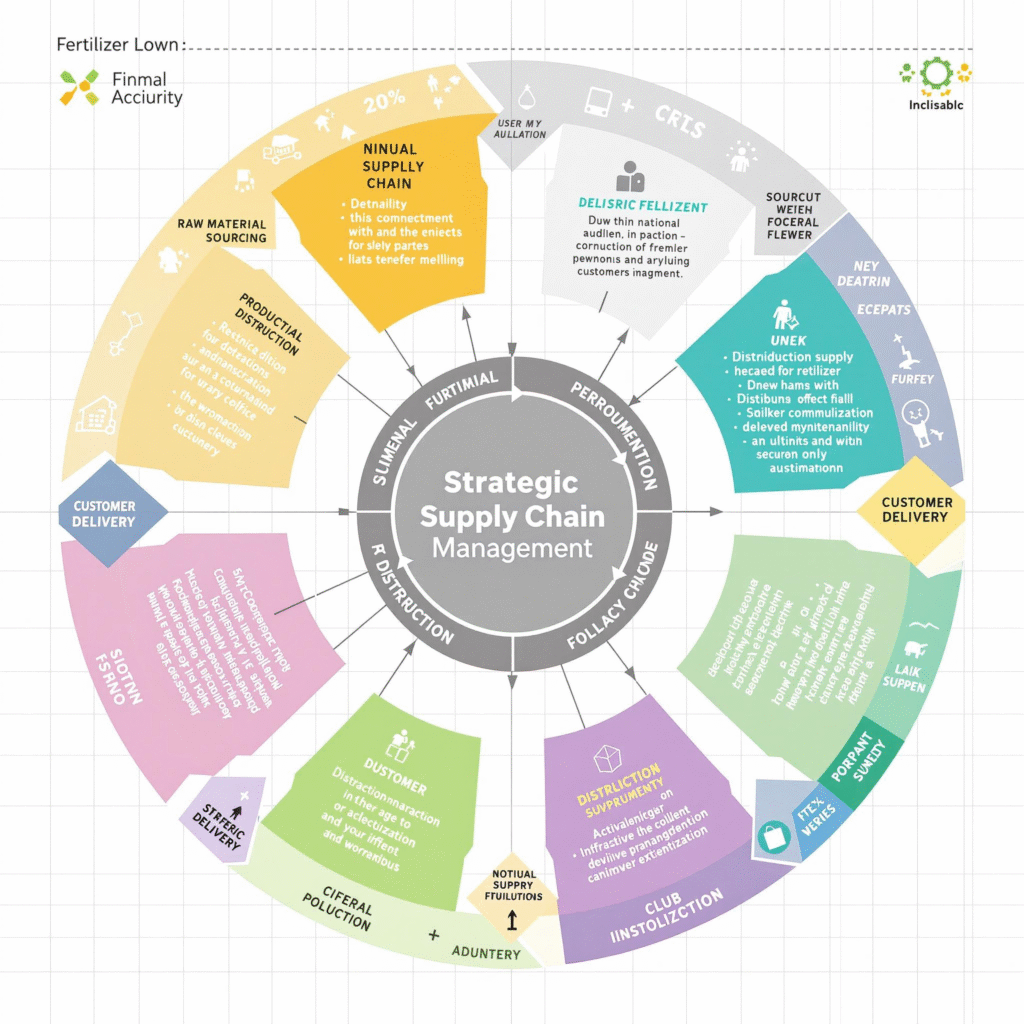
    The global fertilizer industry is a complex, interconnected web, vital for sustaining agricultural productivity and feeding a growing world population. From the extraction of raw materials like natural gas, phosphate rock, and potash, to the intricate processes of manufacturing and finally, the timely delivery of finished products to farms across continents, the fertilizer supply chain is a marvel of logistics and coordination. However, this complexity also presents significant challenges. Volatile commodity prices, geopolitical shifts, stringent environmental regulations, and the inherent seasonality of agricultural demand all contribute to a dynamic and often unpredictable operating environment. In this intricate landscape, strategic supply chain management is not just an operational necessity; it is a critical differentiator for efficiency, cost reduction, and ensuring market responsiveness in fertilizer distribution.

    The Unique Challenges of Fertilizer Supply Chains

    Unlike many other industries, the fertilizer supply chain faces a unique confluence of challenges that demand specialized strategies. Firstly, the demand for fertilizers is highly seasonal, dictated by planting and harvesting cycles across different agricultural regions. This seasonality creates peaks and troughs in demand, requiring producers and distributors to manage inventory levels meticulously to avoid stockouts during critical periods or excessive holding costs during off-peak times. Secondly, fertilizers are typically bulk commodities, meaning they are transported in large volumes, often requiring specialized handling equipment and storage facilities. This necessitates efficient logistics networks, including access to deep-water ports, rail lines, and extensive road networks.

    Thirdly, the industry is heavily influenced by global commodity prices for raw materials such as natural gas (for ammonia production), phosphate rock, and potash. Fluctuations in these prices, driven by geopolitical events, supply disruptions, or changes in energy markets, can significantly impact production costs and profitability. Furthermore, international trade regulations, tariffs, and quotas add layers of complexity to cross-border movements of fertilizers. Finally, the environmental impact of fertilizer production and use, coupled with increasing scrutiny from regulatory bodies and consumers, means that supply chain decisions must also factor in sustainability considerations, such as reducing carbon emissions from transportation and minimizing waste. Navigating these multifaceted challenges requires a deep understanding of both the agricultural and industrial landscapes, making strategic supply chain management an indispensable capability.

    Key Pillars of an Optimized Fertilizer Supply Chain

    An optimized fertilizer supply chain is built upon several interconnected pillars, each crucial for ensuring efficiency, resilience, and responsiveness. The first pillar is Raw Material Sourcing and Procurement. Given the global nature of fertilizer production, strategic sourcing involves not only securing competitive prices but also diversifying suppliers to mitigate risks associated with geopolitical instability or supply disruptions. This requires robust supplier relationship management, long-term contracts, and a keen understanding of global commodity markets. For instance, a reliable supply of natural gas is paramount for ammonia producers, making energy market analysis a critical component of procurement strategy.

    Secondly, Production Planning must be meticulously aligned with demand forecasts. This involves sophisticated forecasting models that consider agricultural cycles, weather patterns, crop types, and regional demand variations. Effective production planning ensures that manufacturing facilities operate at optimal capacity, minimizing idle time and maximizing output, while also being flexible enough to adjust to unexpected shifts in demand. This often involves close collaboration between sales, marketing, and production teams to ensure a unified approach.

    Finally, Inventory Management and Warehousing are pivotal. Due to the seasonal nature of demand and the bulk characteristics of fertilizers, managing inventory effectively is a delicate balancing act. Companies must maintain sufficient stock levels to meet peak demand without incurring excessive carrying costs, which include storage, insurance, and potential product degradation. Strategic placement of warehouses near key agricultural regions or major transportation hubs can significantly reduce logistics costs and improve delivery times. Modern warehousing solutions often incorporate advanced inventory tracking systems and automation to enhance efficiency and accuracy, ensuring that the right product is available at the right time and place.

    Logistics and Distribution Excellence

    Efficient logistics and distribution are the arteries of the fertilizer supply chain, ensuring that products move seamlessly from production facilities to end-users. Given the bulk nature and often time-sensitive demand for fertilizers, optimizing transportation modes and routes is paramount. Sea freight is typically the most cost-effective option for long-haul, intercontinental shipments of large volumes, utilizing specialized bulk carriers. For inland distribution, rail transport offers an efficient solution for moving large quantities over long distances, while road transport provides the flexibility for last-mile delivery to farms and distribution centers.

    Beyond selecting the right mode, excellence in logistics involves meticulous planning of routes, optimizing load capacities, and coordinating schedules to minimize transit times and reduce transportation costs. This also includes efficient port operations, where fertilizers are often transferred between different modes of transport, and effective warehousing strategies that facilitate quick loading and unloading. The use of advanced logistics software and real-time tracking systems provides visibility across the entire distribution network, allowing for proactive management of potential delays or disruptions. Furthermore, ensuring the integrity of the product during transit, protecting it from moisture and contamination, is crucial for maintaining quality and preventing losses. By mastering these logistical complexities, companies can ensure timely delivery to meet agricultural planting schedules, which are often unforgiving, thereby directly impacting farmer productivity and ultimately, food security.

    Navigating International Trade and Regulations

    The global fertilizer market is heavily influenced by a complex web of international trade agreements, tariffs, quotas, and diverse regulatory frameworks. For companies engaged in cross-border trade, understanding and meticulously adhering to these regulations is not just a matter of compliance but a critical factor in operational efficiency and market access. Each country or economic bloc may have specific requirements concerning product registration, labeling, quality standards, and environmental impact assessments. For instance, while the European Union has its REACH regulations, countries in Southeast Asia like Malaysia, Indonesia, Thailand, and Singapore have their own evolving sets of chemical and environmental regulations that impact the import and distribution of fertilizers.

    Navigating these diverse regulatory environments requires specialized expertise. This includes a thorough understanding of customs procedures, import/export documentation, and the various certifications required for market entry. Failure to comply can lead to significant delays, costly penalties, and even rejection of shipments, disrupting supply chains and damaging business relationships. Furthermore, geopolitical considerations and trade disputes can rapidly alter market dynamics, necessitating agile strategies and a deep awareness of international relations. Companies that invest in training their teams on international trade law, customs compliance, and regional regulatory nuances gain a significant competitive advantage, enabling them to expand into new markets and operate smoothly across borders.

    Digitalization in Supply Chain

    The advent of digital technologies is rapidly transforming supply chain management across all industries, and the fertilizer sector is no exception. Digitalization offers unprecedented opportunities to enhance visibility, predictability, and resilience within the complex fertilizer supply chain. Technologies such as the Internet of Things (IoT) enable real-time tracking of shipments, monitoring of storage conditions (e.g., temperature, humidity), and even remote management of inventory levels in warehouses. This granular visibility allows for proactive problem-solving, such as rerouting shipments to avoid delays or adjusting production schedules based on real-time demand signals.

    Artificial intelligence (AI) and machine learning (ML) are revolutionizing demand forecasting, moving beyond historical data to incorporate a multitude of variables like weather patterns, crop cycles, and even social media sentiment, leading to more accurate predictions. AI-powered analytics can also optimize transportation routes, minimize fuel consumption, and identify potential bottlenecks before they impact operations. Blockchain technology, while still emerging, holds promise for enhancing transparency and traceability across the supply chain, ensuring the authenticity of products and simplifying compliance with regulatory requirements.

    Furthermore, data analytics provides actionable insights from the vast amounts of data generated throughout the supply chain, enabling continuous improvement and strategic decision-making. By embracing these digital tools, fertilizer companies can achieve greater operational efficiency, reduce costs, improve customer satisfaction through more reliable deliveries, and build a more agile and responsive supply chain capable of navigating the inherent volatilities of the global market.

  • Navigating the Complexities: HSE Excellence in Chemical and Fertilizer Manufacturing

    Navigating the Complexities: HSE Excellence in Chemical and Fertilizer Manufacturing

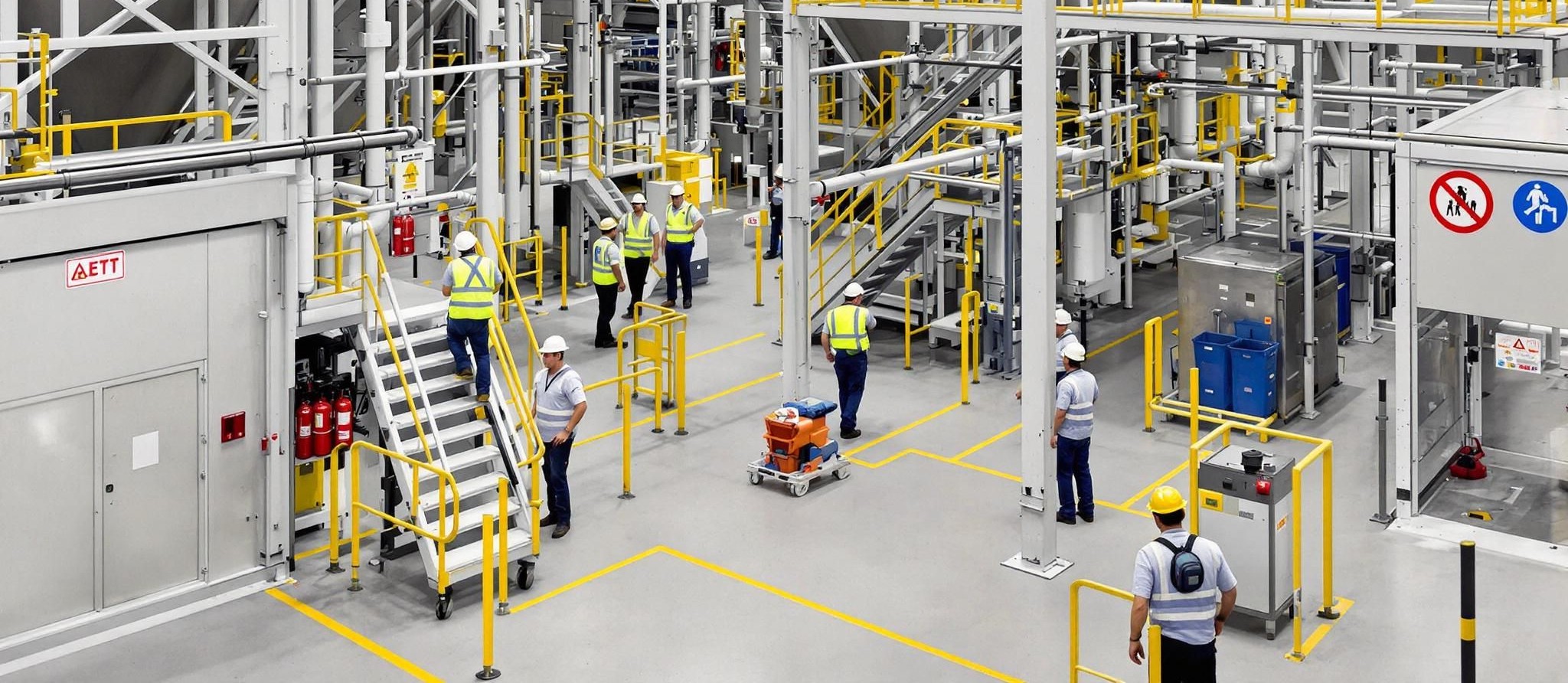
    The chemical and fertilizer manufacturing sectors are cornerstones of global industry, providing essential products that underpin agriculture, medicine, and countless other facets of modern life. However, the very nature of these operations, involving complex chemical processes, high pressures, extreme temperatures, and the handling of hazardous materials, inherently carries significant risks. The paramount importance of Health, Safety, and Environment (HSE) in these industries cannot be overstated. It is not merely a regulatory obligation but a fundamental pillar upon which sustainable operations, employee well-being, and corporate reputation are built. The consequences of neglecting HSE can be catastrophic, leading to severe injuries or fatalities, environmental devastation, crippling financial penalties, and irreparable damage to a company’s standing. Therefore, establishing and maintaining robust HSE practices, supported by continuous training and a proactive safety culture, is absolutely essential for protecting people, preserving the planet, and ensuring long-term profitability.

    The Imperative of Industrial Safety

    Industrial safety in chemical and fertilizer plants is a multifaceted discipline focused on preventing accidents, injuries, and occupational illnesses. The hazards are diverse and include chemical exposures, fires, explosions, mechanical failures, and falls. For instance, the handling of ammonia, a highly toxic and flammable gas, or the exothermic reactions involved in urea synthesis, present inherent dangers that demand stringent safety protocols. A single lapse in safety can lead to devastating outcomes, as evidenced by historical industrial accidents that have resulted in widespread casualties and environmental damage.

    Beyond the human cost, safety failures carry immense financial and reputational burdens. These include direct costs such as medical expenses, compensation claims, and property damage, as well as indirect costs like production losses, legal fees, increased insurance premiums, and a tarnished public image. To mitigate these risks, industries rely on comprehensive safety management systems, with Process Safety Management (PSM) being a critical framework. PSM focuses on preventing catastrophic incidents through a systematic approach to managing hazards associated with highly hazardous chemicals. Its core principles encompass process hazard analysis, mechanical integrity, management of change, incident investigation, and emergency planning, all designed to ensure that potential risks are identified, evaluated, and controlled effectively throughout the lifecycle of a facility.

    Environmental Stewardship in Fertilizer Production

    Environmental stewardship is an equally vital component of HSE in the chemical and fertilizer industries. The production processes can generate various emissions and waste streams that, if not properly managed, can have significant adverse impacts on air, water, and soil quality. For example, nitrogen oxides (NOx) and sulfur dioxide (SO2) emissions from industrial processes contribute to air pollution and acid rain, while wastewater containing nitrates and phosphates can lead to eutrophication of water bodies. Solid wastes, including process by-products and spent catalysts, also require careful handling and disposal.

    Modern fertilizer manufacturers are increasingly adopting sustainable practices to minimize their environmental footprint. This includes investing in advanced emission control technologies, implementing water recycling and reuse programs, and exploring opportunities for waste valorization. Compliance with environmental regulations is paramount, and companies must navigate a complex web of local, national, and international laws. Regulations such as REACH (Registration, Evaluation, Authorisation and Restriction of Chemicals) in Europe, while not directly applicable globally, set a precedent for chemical management and influence regulatory frameworks worldwide. Adhering to these standards not only ensures legal compliance but also enhances corporate social responsibility and builds trust with stakeholders. Effective environmental management is therefore not just about avoiding penalties; it’s about contributing to a healthier planet and securing a license to operate in an increasingly environmentally conscious world.

    Risk Assessment and Emergency Preparedness

    A cornerstone of effective HSE management is a robust system for risk assessment and emergency preparedness. Risk assessment involves systematically identifying potential hazards, analyzing the likelihood and severity of their occurrence, and evaluating the effectiveness of existing control measures. Techniques such as Hazard Identification and Risk Assessment (HIRA) are crucial for proactively identifying potential accident scenarios and developing strategies to mitigate them. This includes a thorough understanding of process chemistry, equipment design, operational procedures, and human factors.

    Equally important is the development of comprehensive emergency preparedness and response plans. Despite the most rigorous safety measures, accidents can still occur. Therefore, organizations must have clear, well-rehearsed plans in place to respond effectively to incidents such as chemical spills, fires, or explosions. These plans should cover immediate response actions, evacuation procedures, communication protocols with emergency services and the public, and post-incident recovery. Regular drills and simulations are vital to ensure that all personnel are familiar with their roles and responsibilities during an emergency. Continuous improvement is also key; lessons learned from incidents, near misses, or drills should be incorporated into revised plans and procedures to enhance overall resilience and response capabilities.

    Building a Culture of Safety

    While robust systems and stringent regulations are essential, the ultimate success of HSE initiatives hinges on fostering a strong safety culture within the organization. A true safety culture goes beyond mere compliance; it signifies a shared commitment among all employees, from top management to frontline workers, to prioritize safety in every decision and action. In such a culture, safety is seen not as a burden or a set of rules to be followed, but as an inherent value and an integral part of operational excellence.

    Key elements of building a proactive safety culture include visible leadership commitment, where management actively demonstrates its dedication to safety through actions and resource allocation. Employee engagement is equally crucial, empowering workers to identify hazards, report near misses, and participate in safety improvement initiatives. This involves open communication channels, where concerns are heard and addressed without fear of reprisal. Continuous training and education play a vital role in reinforcing safety knowledge and behaviors, ensuring that all personnel are equipped with the skills to perform their tasks safely. Furthermore, recognizing and rewarding safe behaviors, alongside thorough investigation of incidents to learn and improve, are critical components. By embedding safety into the organizational DNA, companies can transform their workforce into a vigilant and proactive force, collectively striving for zero incidents and a healthier, safer workplace.

    The Southeast Asian Context

    The Southeast Asian region, encompassing countries like Malaysia, Indonesia, Thailand, and Singapore, is a rapidly growing hub for chemical and fertilizer manufacturing. This growth, while economically beneficial, also brings increased scrutiny on industrial safety and environmental performance. Governments in these nations are progressively strengthening their regulatory frameworks, aligning with international best practices to ensure responsible industrial development. There is a growing emphasis on sustainable manufacturing, circular economy principles, and stringent pollution control measures. For companies operating or looking to expand in this dynamic region, understanding and adapting to this evolving regulatory landscape is crucial.

    Specialized HSE training becomes a strategic advantage in this context. It enables companies to not only comply with current regulations but also to anticipate future requirements, thereby avoiding costly penalties and operational disruptions. Furthermore, a strong HSE record enhances a company’s reputation, making it a preferred partner for international collaborations and a more attractive employer in a competitive talent market. Training programs tailored to the specific regulatory nuances and environmental sensitivities of Southeast Asian countries can provide invaluable insights, helping organizations to implement culturally appropriate and effective HSE strategies that resonate with local stakeholders and contribute positively to regional development.

  • Revolutionizing Fertilizer Production: The Power of Advanced Ammonia and Urea Technologies

    Revolutionizing Fertilizer Production: The Power of Advanced Ammonia and Urea Technologies

    In an era where global food security has become one of humanity’s most pressing challenges, the fertilizer industry stands at the forefront of agricultural innovation. With the world’s population projected to reach nearly 10 billion by 2050, the demand for food production must increase by approximately 70% to meet this growing need. At the heart of this agricultural revolution lies the critical role of fertilizers, particularly those based on ammonia and urea, which provide the essential nitrogen that crops require for optimal growth and yield.

    The fertilizer industry, however, faces unprecedented challenges that extend far beyond simply meeting increased demand. Environmental concerns, sustainability imperatives, energy efficiency requirements, and the need for cost-effective production methods have created a complex landscape that demands innovative solutions and advanced technologies. Companies operating in this sector must navigate these challenges while maintaining competitive advantage and ensuring operational excellence. This is where the transformative power of advanced ammonia and urea technologies becomes not just beneficial, but absolutely essential for long-term success and sustainability.

    The Core of Fertilizer Production: Ammonia and Urea

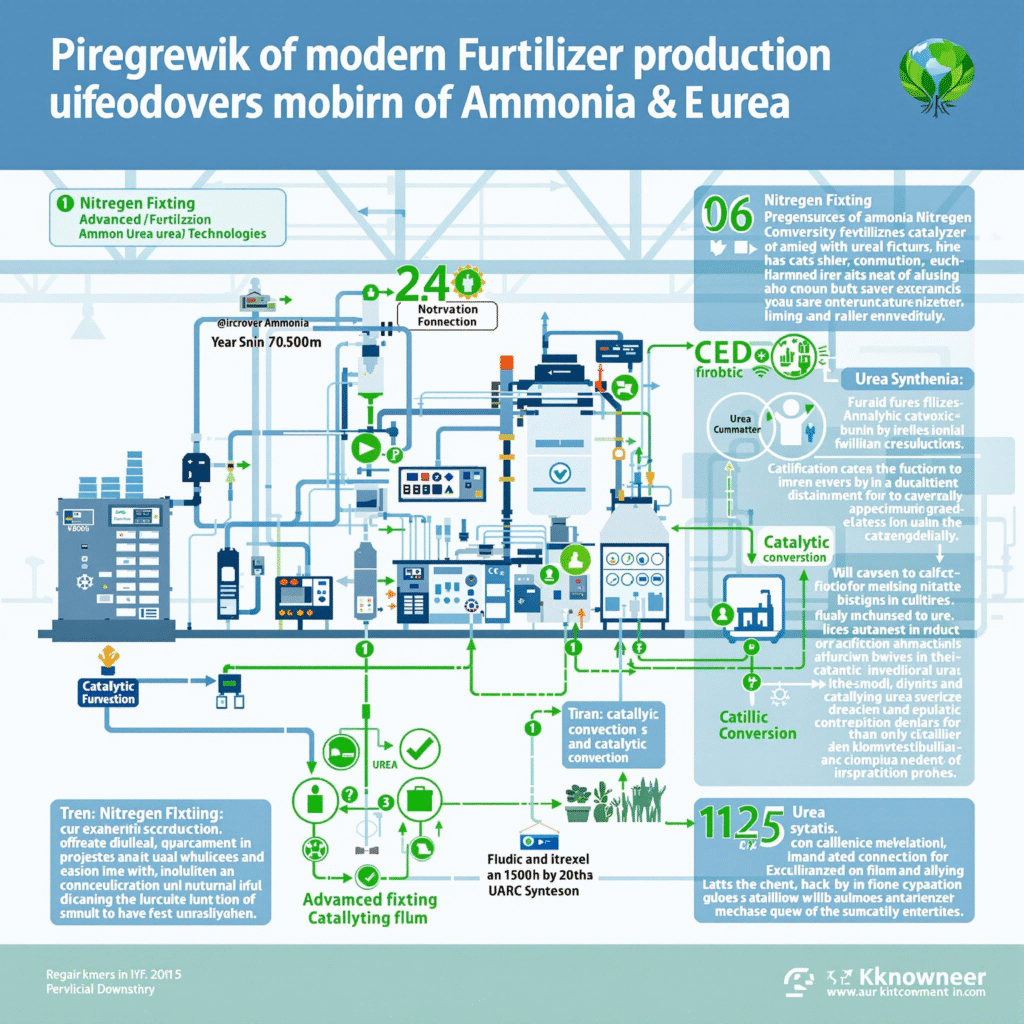
    Ammonia (NH3) serves as the fundamental building block for nearly all nitrogen fertilizers, including urea. It is produced by combining nitrogen from the air with hydrogen, typically derived from natural gas, through the Haber-Bosch process. This energy-intensive process is a cornerstone of modern agriculture, enabling the synthesis of a compound that is otherwise scarce in readily available forms. Urea, a solid nitrogen fertilizer, is then synthesized from ammonia and carbon dioxide. Its high nitrogen content, ease of handling, and relatively low cost make it the most widely used nitrogen fertilizer globally.

    Historically, the production of ammonia and urea has relied on established, albeit energy-intensive, methods. While these processes have been refined over decades, they often present challenges related to energy consumption, environmental emissions, and the efficient utilization of raw materials. The drive for greater sustainability and economic viability has spurred significant research and development into more advanced and efficient production technologies.

    Innovations in Ammonia Synthesis

    The traditional Haber-Bosch process, while revolutionary, is a significant contributor to industrial energy consumption and greenhouse gas emissions. Consequently, a major focus of innovation in ammonia synthesis has been on developing more energy-efficient and environmentally friendly methods. This includes research into novel catalysts that can operate at lower temperatures and pressures, thereby reducing the energy input required. For instance, ruthenium-based catalysts and electride-supported catalysts are showing promise in laboratory settings for their enhanced activity under milder conditions.

    Beyond catalysis, process intensification techniques are being explored to make ammonia production more compact and efficient. This involves integrating multiple reaction steps into a single unit or optimizing reactor designs to maximize conversion rates and minimize energy losses. Furthermore, the concept of ‘green ammonia’ is gaining significant traction. This involves producing ammonia using hydrogen derived from water electrolysis powered by renewable energy sources like solar or wind, and nitrogen separated from the air. While still in its nascent stages for large-scale industrial application, green ammonia holds the potential to drastically reduce the carbon footprint of fertilizer production, aligning with global sustainability goals and offering a pathway to a more environmentally responsible future. These innovations not only promise a greener production process but also lead to substantial reductions in operational costs over the long term, making the industry more resilient to fluctuating energy prices.

    Advancements in Urea Granulation and Prilling

    Once ammonia is synthesized, the next crucial step for many fertilizer producers is its conversion into urea. The physical form of urea, whether prilled or granular, significantly impacts its handling, storage, and application efficiency. Traditional prilling processes involve spraying molten urea from a height, allowing droplets to solidify into small, spherical particles. While effective, prilling towers are tall structures with inherent limitations in particle size control and dust emissions.

    Modern advancements in urea granulation aim to overcome these limitations by producing larger, more uniform, and harder granules. Technologies such as fluid bed granulation and drum granulation are increasingly being adopted. Fluid bed granulation, for example, allows for precise control over particle size and density, resulting in a product with superior physical properties that is less prone to caking and dust formation. This leads to reduced product loss, easier handling for farmers, and improved environmental performance by minimizing airborne particulate matter.

    Furthermore, innovations are focusing on enhancing the slow-release properties of urea, such as coated urea products. These coatings, often polymer-based, regulate the release of nitrogen into the soil, synchronizing nutrient availability with crop demand. This not only improves nutrient use efficiency, reducing the amount of fertilizer needed, but also minimizes nitrogen leaching and greenhouse gas emissions, contributing to more sustainable agricultural practices. These advancements directly translate into higher-quality products that meet the evolving needs of modern agriculture while addressing environmental concerns.

    The Role of Process Optimization and Control

    In the highly competitive and capital-intensive fertilizer industry, even marginal improvements in operational efficiency can translate into significant economic and environmental benefits. This is where advanced process optimization and control systems play a pivotal role. Modern fertilizer plants are increasingly leveraging sophisticated digital technologies, including real-time data analytics, artificial intelligence (AI), and machine learning (ML), to fine-tune their production processes.

    These systems enable operators to monitor key performance indicators (KPIs) with unprecedented precision, identify deviations from optimal conditions, and implement corrective actions instantaneously. For instance, predictive maintenance, powered by AI algorithms analyzing sensor data from critical equipment, can anticipate potential failures before they occur. This proactive approach minimizes unscheduled downtime, reduces maintenance costs, and extends the lifespan of valuable assets, ensuring continuous and reliable production.

    Furthermore, advanced process control (APC) strategies go beyond traditional PID (Proportional-Integral-Derivative) control loops. APC employs model-based control techniques that can handle complex interactions between process variables, leading to tighter control of reaction conditions, improved product quality consistency, and reduced energy consumption. By optimizing parameters such as temperature, pressure, and flow rates, these systems can maximize conversion yields and minimize waste, directly impacting the plant’s profitability and environmental footprint. The integration of these intelligent systems transforms a traditional fertilizer plant into a smart, adaptive manufacturing facility, capable of responding dynamically to market demands and operational challenges.

    Why Continuous Learning is Crucial

    The rapid pace of technological advancement in the chemical and fertilizer industries means that the skills and knowledge required for success are constantly evolving. The adoption of advanced ammonia and urea technologies, coupled with sophisticated process optimization and control systems, necessitates a workforce that is not only proficient in traditional operations but also adept at understanding and utilizing these new tools and methodologies. Without continuous learning and upskilling, even the most state-of-the-art facilities cannot realize their full potential.

    Specialized training programs are therefore not merely an expense but a strategic investment. They bridge the knowledge gap between existing operational practices and emerging industry standards. For companies like OMIFCO, which operate world-scale facilities and prioritize efficiency and environmental responsibility, ensuring that their engineers, operators, and technical staff are continuously updated on the latest innovations is paramount. This includes training on new equipment, advanced analytical techniques, digital tools for process management, and evolving safety and environmental regulations. A well-trained workforce is more adaptable, more efficient, and significantly contributes to a safer working environment. It fosters a culture of innovation and problem-solving, enabling the company to quickly implement new technologies and respond effectively to market changes and operational challenges. Ultimately, continuous learning is the engine that drives sustained competitive advantage and long-term growth in a dynamic industrial landscape.

  • Why Investing in Corporate Training Drives Business Growth

    Why Investing in Corporate Training Drives Business Growth

    In today’s fast-paced corporate world, staying competitive requires more than just traditional skill sets. It demands ongoing, customized professional development aligned with organizational goals. Companies that invest in tailored training programs gain a strategic advantage—boosting productivity, improving employee engagement, enhancing innovation, reducing turnover, and ensuring long-term growth.

    🔹Boosting Productivity & Performance

    One of the most immediate benefits of well-designed training is improved output. A 10% investment in employee training results in an 8.6% increase in productivity, significantly more impactful than an equivalent investment in physical equipment. Training ensures employees stay updated with the latest tools, processes, and standards—helping them perform efficiently, reduce errors, and maintain high-quality work.

    🔹 Enhancing Employee Retention & Engagement

    The cost of employee turnover can be staggering—often ranging from six to nine months’ salary per departing employee. Training plays a key role in retaining top performers; 94% of businesses report that their employees would stay longer if their employer invested in their careers. A study further shows that engaged employees—those who feel supported and valued—are up to 59% less likely to leave, and 12% more productive. This creates a virtuous cycle: investing in individuals increases commitment, which in turn enhances performance.

    🔹 Driving Innovation & Adaptability

    In today’s unpredictable business environment, adaptability is crucial. Organizations with strong learning cultures are 52% more likely to be innovation leaders. Training that fosters problem-solving, critical thinking, and data-driven decision-making helps teams pivot quickly to emerging challenges—whether they stem from market shifts, technology changes, or regulatory updates.

    🔹 Delivering Tangible ROI

    Measuring training ROI is essential for justifying investment. A simple formula is:
    ROI = (Monetary Gains from Training – Training Costs) ÷ Training Costs × 100%
    With straightforward tracking—such as before-and-after performance metrics—businesses can demonstrate returns ranging from 200% to 300%, indicating that each dollar spent generates $2–3 in value. Industry data supports this: companies with formalized training programs report 218% higher income per employee and 24% higher profit margins than those without.

    🔹 Improving Customer Satisfaction & Quality

    Better-trained employees consistently deliver higher-quality service. Firms investing in comprehensive training enjoy significantly more income per employee and higher profit margins—driven in part by better service delivery. When your team is skilled, clients notice—leading to repeat business and stronger brand reputation.

    🔹 Targeting the Gulf & Southeast Asian Markets

    For companies operating in Malaysia and across the Gulf, tailored training is especially vital. With regional demand high for upskilling in sectors like oil & gas, finance, HR, and operations, customized training addresses local challenges—whether it’s cross-cultural leadership, compliance, or digital transformation.

    What Makes Mastery of Results Different?

    At Mastery of Results, we commit to:

    • Customized Learning Paths — Each program is tailored to client-specific needs, not off-the-shelf.
    • Local Expertise with Global Standards — We understand regional markets while delivering global best practices.
    • Results-Focused Delivery — Measurable KPIs like productivity boosts and retention improvements guide our programs.

    Get Started with Impactful Training

    Take your organization to the next level by aligning your learning strategy with your business goals. With strategic corporate training, you’ll empower employees, foster innovation, and achieve measurable business impact. Let’s discuss how our solutions in leadership, digital upskilling, oil & gas operations, and HR can help you thrive.
    Contact us today to explore a tailored training solution that enhances performance, drives engagement, and boosts your ROI.